The leather bag market is mixed, and unscrupulous merchants often pass off faux leather as real leather to make huge profits. Master these simple and easy – to – operate identification methods to avoid being cheated when shopping:
- Look at Texture: Natural vs Regular
The texture of real leather is uneven, with subtle pores, scars and other natural traces; faux leather (such as PU, PVC) has overly regular texture, repeating like printed patterns. Observe with a magnifying glass: the pores of real leather are irregularly distributed, while faux leather has no real pores.
- Feel the Touch: Differences in Temperature and Elasticity
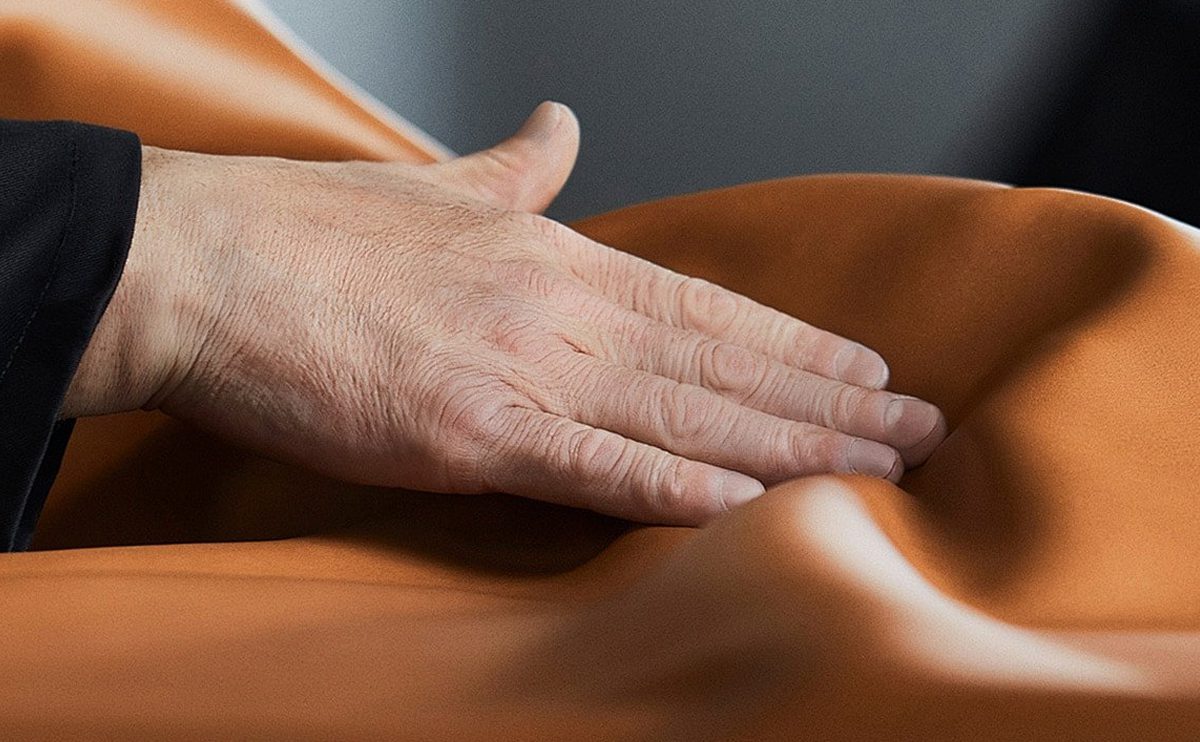
Real leather feels soft and elastic, and will slowly return to its original shape after being pressed; faux leather feels stiff, and rebounds quickly or leaves obvious marks after being pressed. When leather is close to the skin, real leather will warm up with body temperature, while faux leather remains cold.
- Smell the Odor: Natural Grease Fragrance vs Pungent Chemical Smell
New real leather has a light leather grease fragrance, which will gradually become mild after ventilation; faux leather emits a pungent smell of plastic or chemical glue, which may release harmful substances after long – term use.
- Test Wear Resistance: Slight Friction Reveals the Truth
Rub your finger quickly on the leather surface 10 times. Real leather will only heat up without discoloration or slagging; faux leather is prone to whitening, fuzzing or even damage.
- Check the Edges: Processing Technology Hides Clues
The edges of real leather bags usually adopt oil – edge technology, with rounded edges consistent with the main color; the edges of faux leather bags may have obvious glue marks, or crack due to hard material.